A hammock is the most comfortable thing you can sleep in outdoors and the most frustrating thing you can set up badly. Almost every bad experience with one comes down to the same two errors: the wrong distance between the trees, and lying along the hammock instead of across it.
The two-tree problem
A hammock wants its suspension at roughly thirty degrees, and the two anchors need to be a few metres apart - closer than feels right. Hang it too taut and it becomes a banana that tips you out; hang it with slack and you lie in it like a folded deckchair.
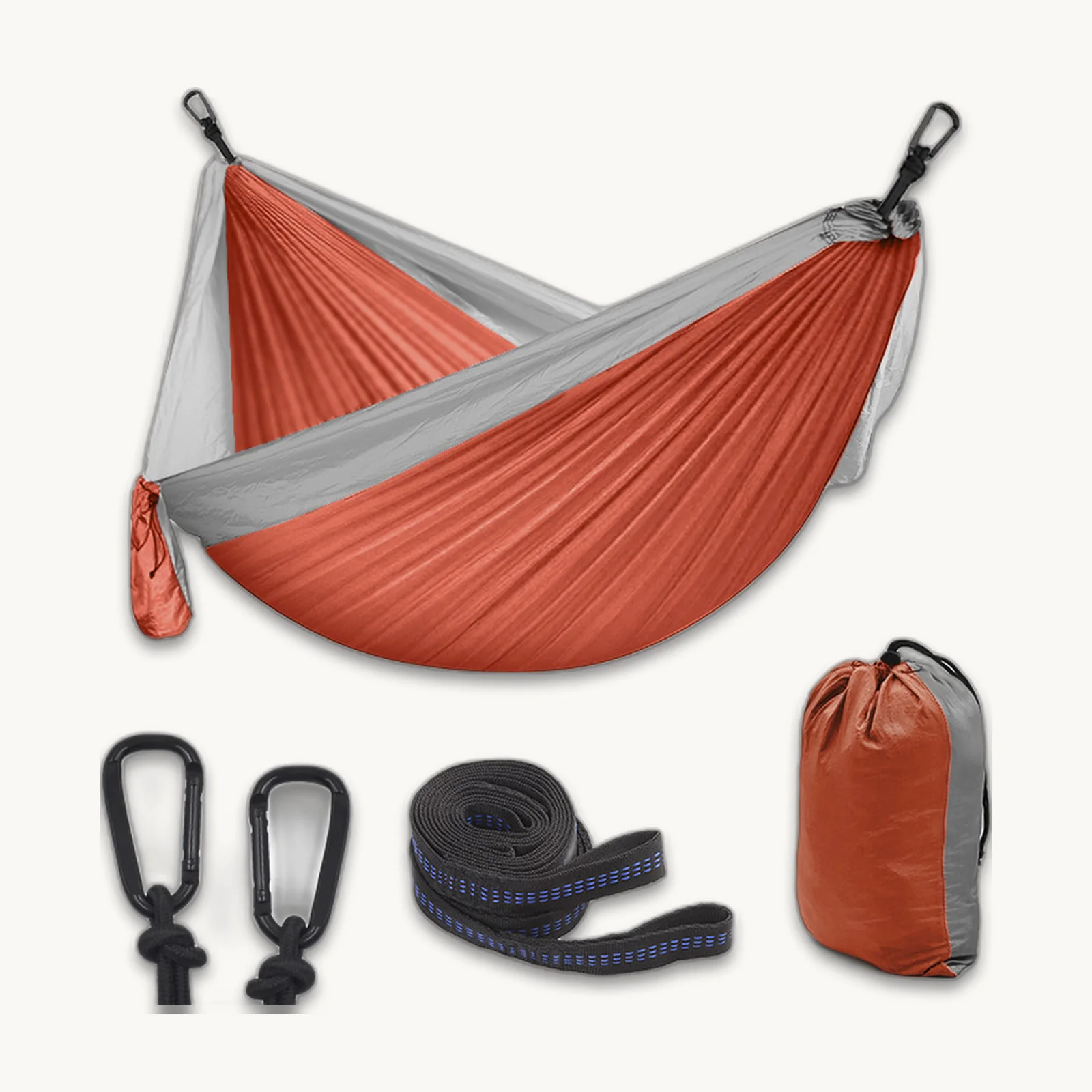
The Double Parachute Camping Hammock ($29.96) is the standard travel type - parachute nylon, which is strong, dries fast and packs to the size of a fist. The double width matters less for a second person than for the first: it gives you room to lie diagonally, which is the position that makes a hammock flat rather than curved.
Diagonal, not along
Lying straight down the centre line curves your spine and your back will notice within the hour. Lying at an angle - feet one way, head the other - flattens the fabric into a surface you can sleep on properly. It feels wrong the first time and is the whole reason hammock campers swear by them.
What happens after dark
A hammock leaves your head, back and neck exposed to insects in a way a tent does not, and repellent does nothing for the back of your neck at four in the morning. This is the one addition worth making before the first night rather than after it.
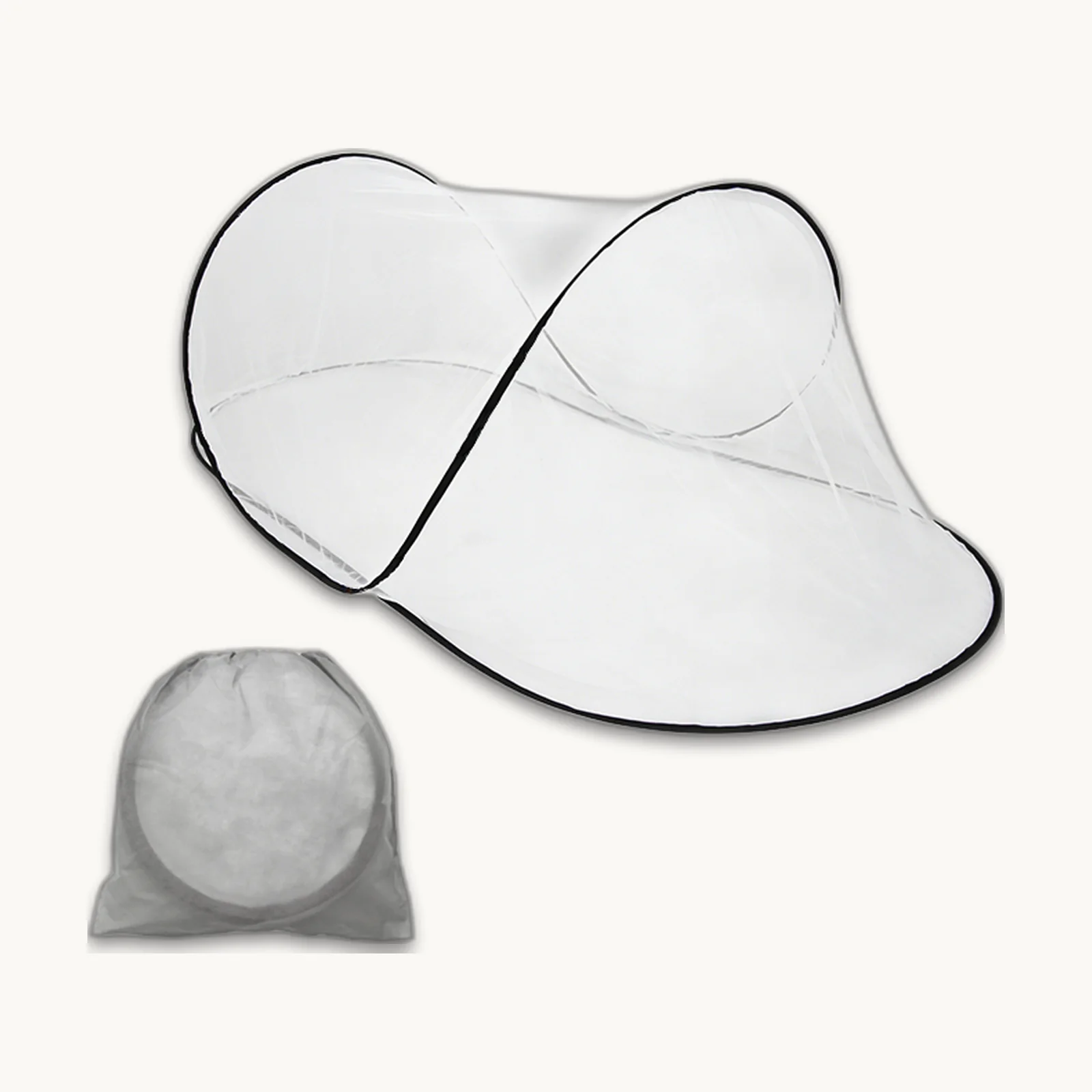
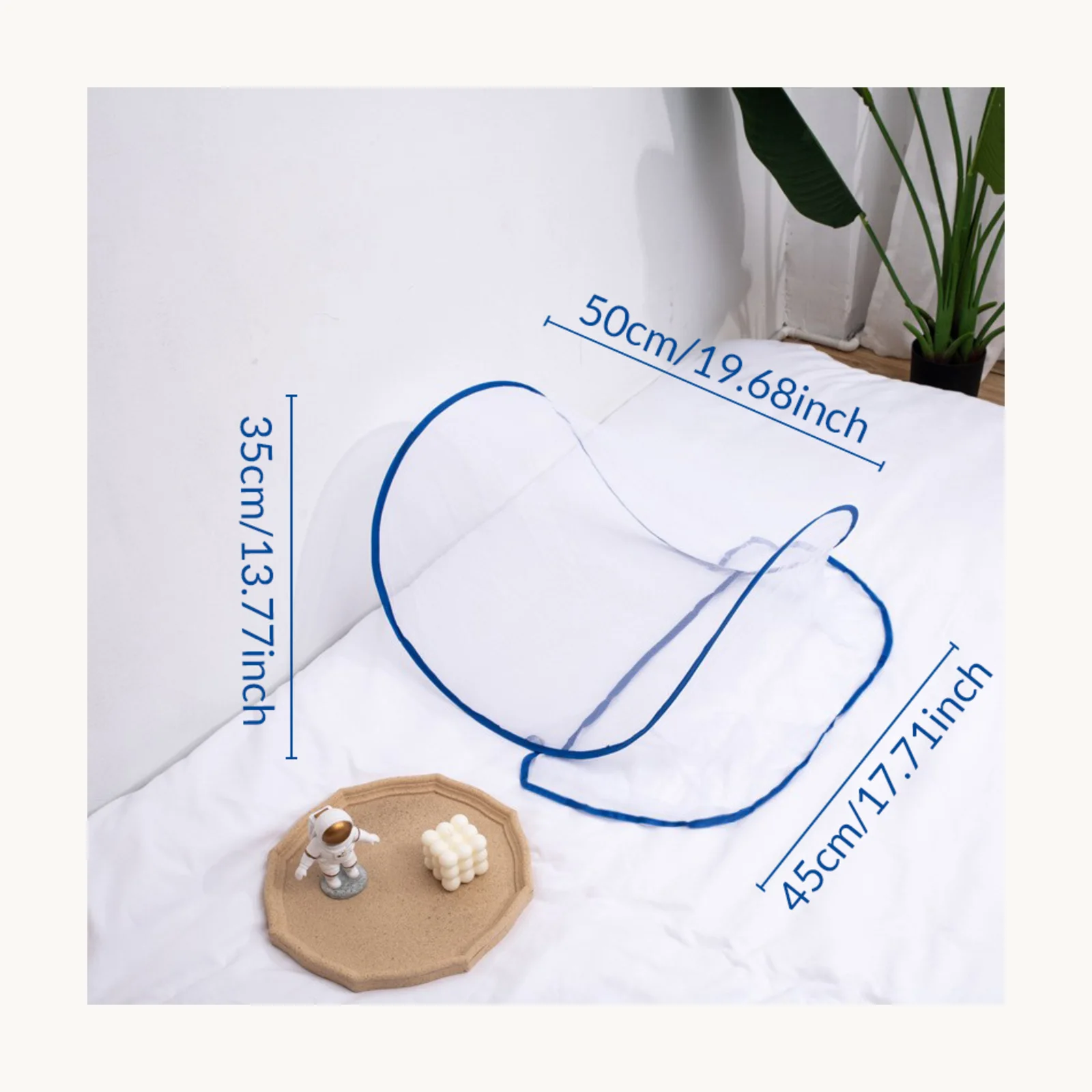
The Foldable Head Net with Mesh Tent ($10.45) is the cheap fix that packs into nothing and lives in a day pack. The Pop-Up Single Mosquito Net ($21.99) is the full shelter if you would rather have the whole body covered and can carry the bulk.
One packing note
Pack the hammock dry. Nylon mildews if it goes into a bag damp, and a mildewed hammock smells for the rest of its life no matter how many times it is washed.