Lantern specifications are genuinely misleading, and the two numbers on the box are the two that mislead most. Lumens are measured with everything at maximum in a lab; burn time is usually measured at the lowest setting. Neither describes the evening you will actually have.
How bright is bright enough
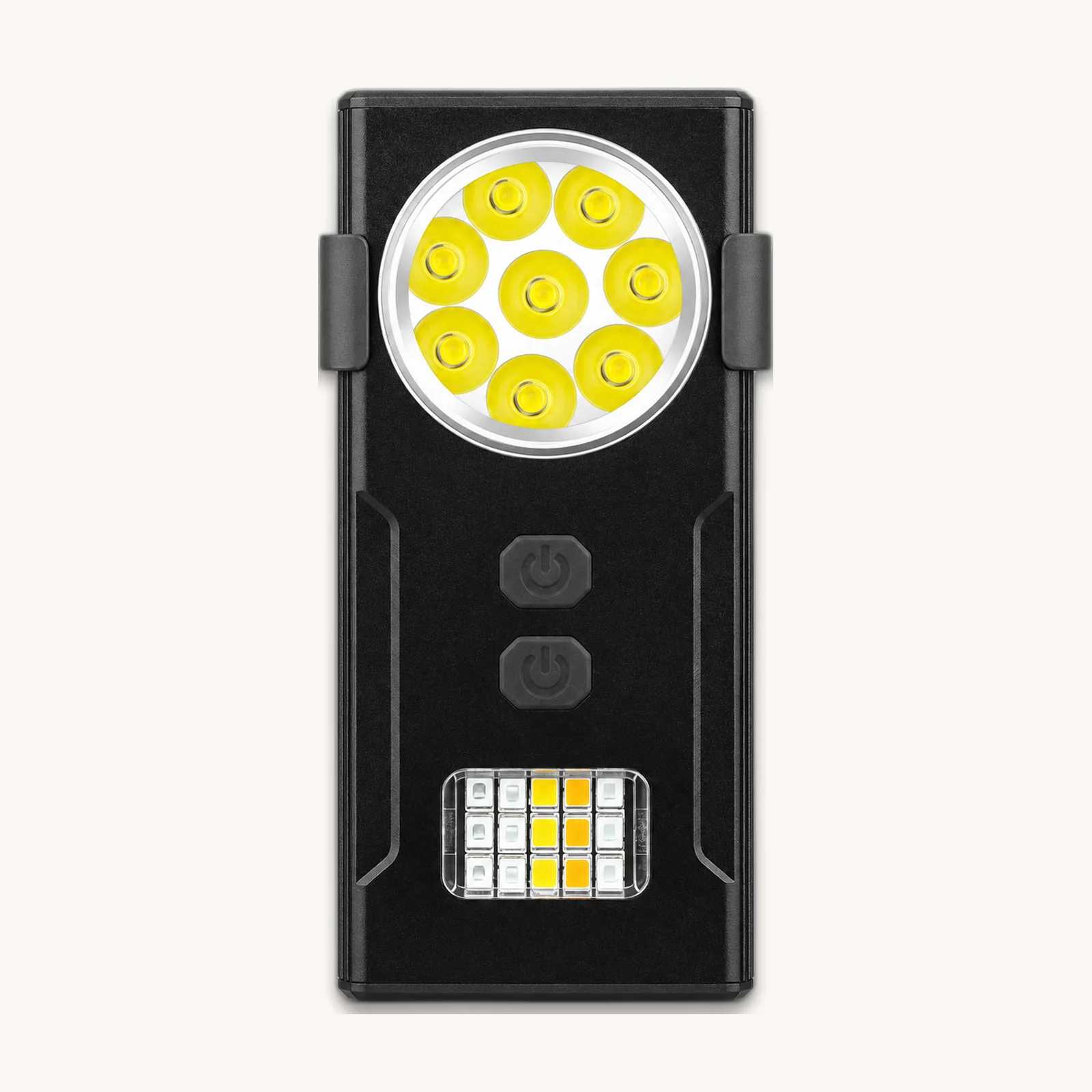
For reading in a tent, forty to eighty lumens is plenty. Around a picnic table, a hundred and fifty is comfortable. Two thousand - the figure quoted by the Rechargeable 2000 lm Work Light ($21.99) - is floodlight territory, and it is genuinely useful for one specific thing: unpacking a car, changing a tyre or setting up camp after dark, when you need to see across ten metres rather than hold a book.
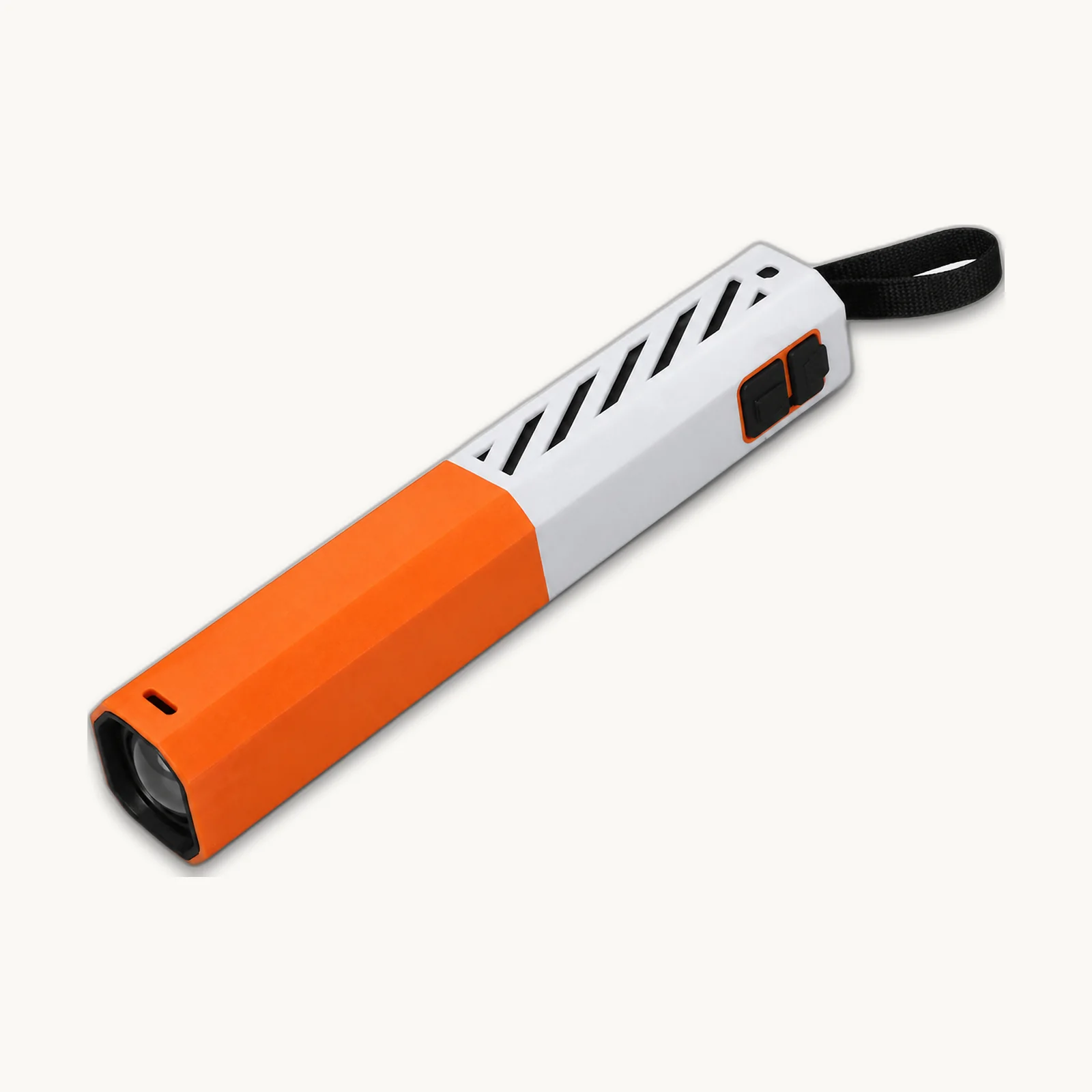
The Rechargeable 450 lm Zoomable Flashlight ($13.99) is the torch that goes with a lantern rather than replacing it: a zoom head lets you throw light at one specific thing while the lantern lights the area.
The two lantern shapes
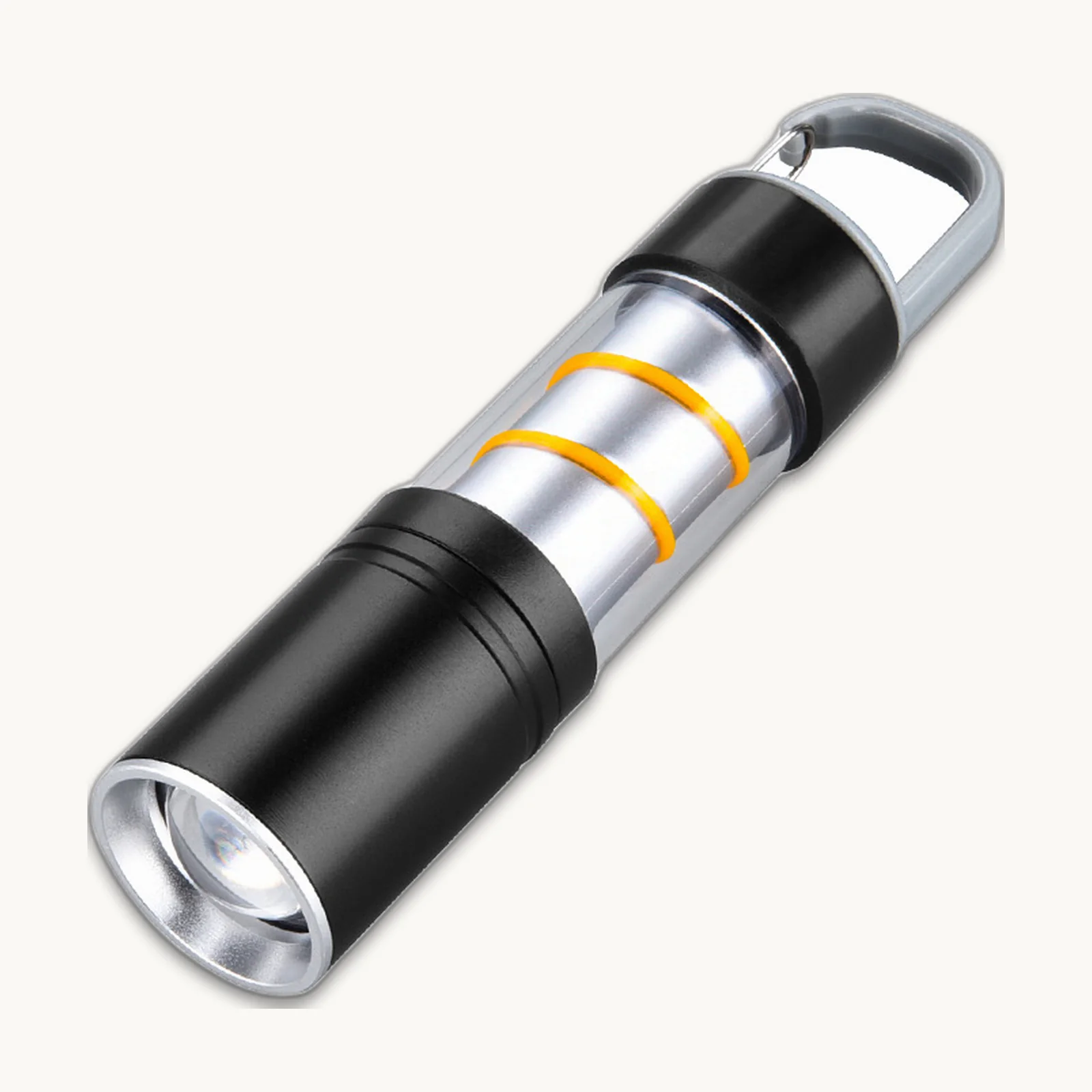
The Portable Aluminum Camping Lantern ($14.99) is the upright, foldable type - aluminium body, light unfolds from the sides, and it stands on a table or hangs from a loop. It is the one to carry, because it survives being dropped and does not depend on a cable.
The LED Cup Light ($15.99) is a flatter, waterproof lamp for a table or a tent floor. It throws light sideways rather than up, which is what you want when the light source is at the same height as what you are looking at.
Burn time, honestly
Burn time on the box is a ceiling. Two things eat it: cold, and turning the light up. A lithium cell near freezing can lose a third of its usable capacity, and the step from half brightness to full can cost more than half the remaining time. The practical version of that specification is: run the lantern at the level that makes the space usable, not the level that makes it daylight.
Power source, which decides how the light behaves
- Sealed and built in. Cheapest per lumen and no batteries to buy, but when the cell eventually dies the light goes with it. Both lanterns above are this type, and they are the right choice for a light you will use often.
- USB rechargeable, with a port you can borrow from. The 450 lm Flashlight charges over USB-C, which is now the same cable as most phones - one fewer thing to pack.
- Magnetic, running off the car. The Car LED Work Light ($12.99) sticks to a body panel and frees both hands. It is a work light, not a lantern, and it is the one to have when the job is mechanical.
- Worn. The USB-Rechargeable Night Fishing Headlamp ($16.99) is the only option here that keeps both hands free, which is the whole reason a headlamp exists.
The habit that matters
Charge everything before you leave, not when you arrive. A light that comes off the charger at full is one less thing to think about, and every light here behaves better cold than half-empty and cold.