A picnic fails for three boring reasons: the food went warm, the dressing leaked into the sandwiches, and the blanket was damp underneath. None of them are solved by buying more food, and all three are solved by three specific pieces of kit.
Insulation, honestly
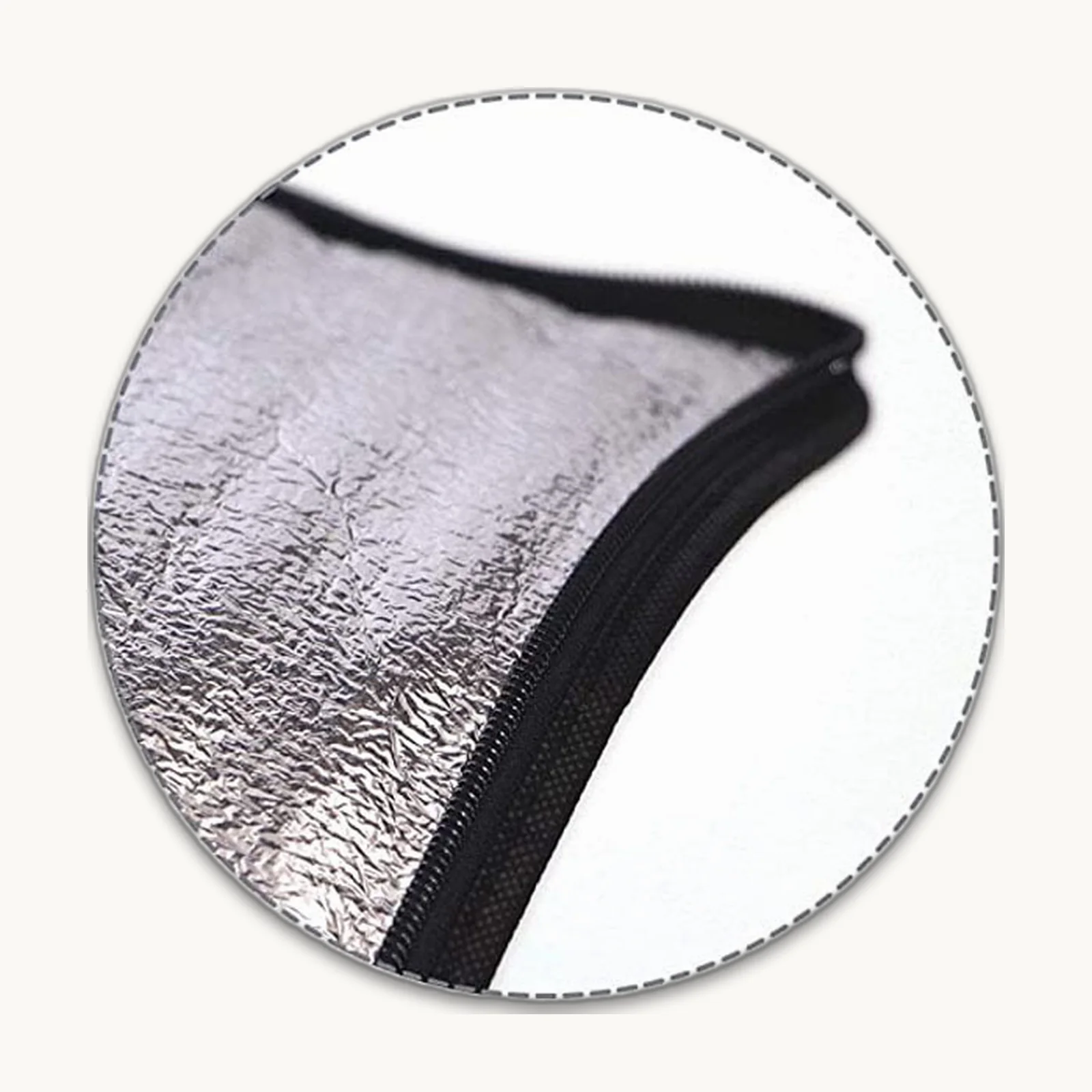
An insulated bag does not keep food cold. It slows heat getting in, which means it buys hours rather than keeps a temperature. With a frozen pack in the base, it holds a chilled lunch through an afternoon; without one, it is a tote with padding.
The Insulated Picnic Bag ($12.99) is the large non-woven type - cheap, light, and the right size for a family. The lining wipes clean, which is the feature that decides whether the bag gets used a second time.
Compartments, which are about the dressing
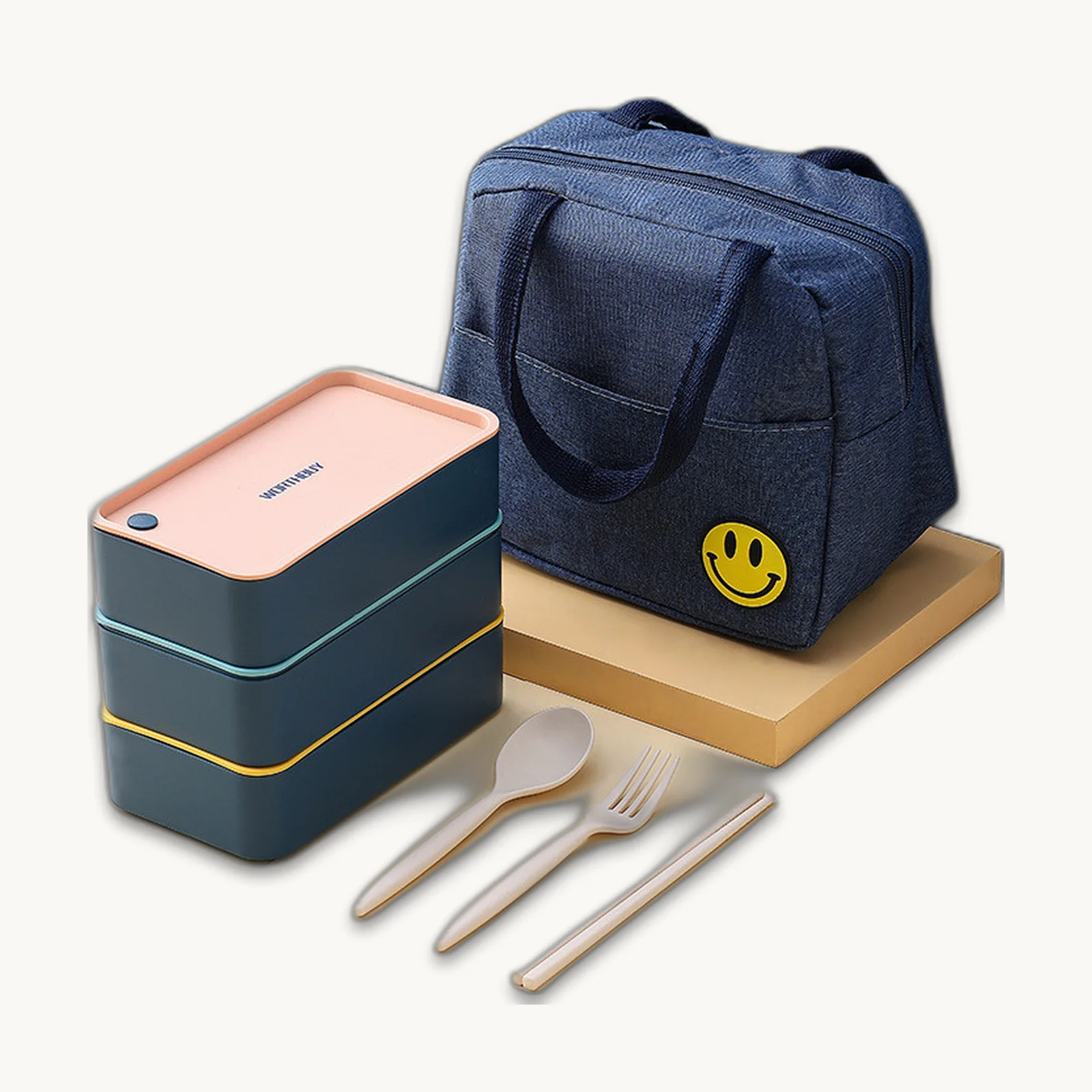
A single container with a salad in it will, given enough walking, transfer its dressing to everything else in the bag. Separate compartments are the fix, and they also solve the softer-item problem: a sandwich is a structural thing and does not survive being stacked under a container of tomatoes.
The Separate-Compartment Picnic Bento Box ($12.99) is the divided, insulated container - insulated in the sense that it holds temperature for the walk, not for the afternoon.
The blanket, and the side nobody looks at
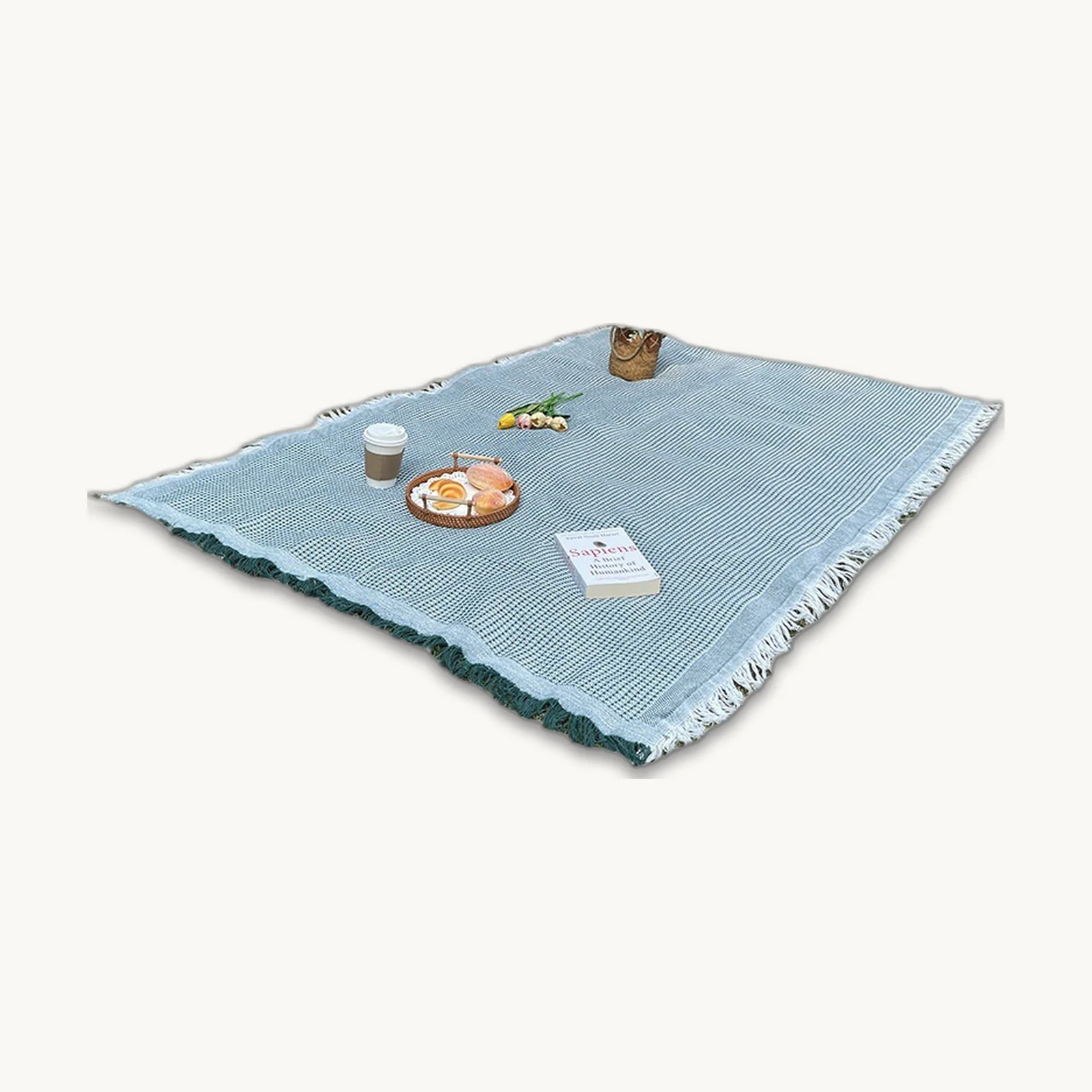
Picnic blankets are sold on the top surface and fail on the bottom one. A blanket backed with nothing wicks moisture straight up from grass that was watered an hour ago, and everyone on it notices at the same time.
The Linen Picnic Blanket ($18.99) is the foldable mat type that doubles as a tablecloth, which is the real advantage - one thing in the bag doing two jobs is what keeps a picnic to a single trip from the car.
One packing rule
Cold things in the base, dry things on top, blanket last. It sounds obvious and it is the single change that stops the bag arriving with crushed bread and a warm drink.