Starting fishing is made harder than it needs to be by the size of the choice. There are dozens of rods, three kinds of line and a wall of lures, and the advice usually given is to buy the complete set - which is how a first trip ends with a boot full of gear and no idea which part of it does anything.
Four things are needed. Everything else is either an upgrade or a hobby.
One working outfit
For a first trip the reel should arrive already loaded and the lures already chosen, because assembling tackle at the water's edge is the moment most people decide this is not for them. A combo arrives ready and puts the failure point somewhere other than the angler.
The Telescopic Carbon Rod and Reel Combo with Line and Lures ($14.99) is the complete setup in this range, and collapses to fit a boot or a backpack. It is not the rod someone keeps for a decade - it is the one that gets them onto the water this weekend. What to expect from a first rod, and when to move on, is covered in Telescopic and Travel Fishing Rods.
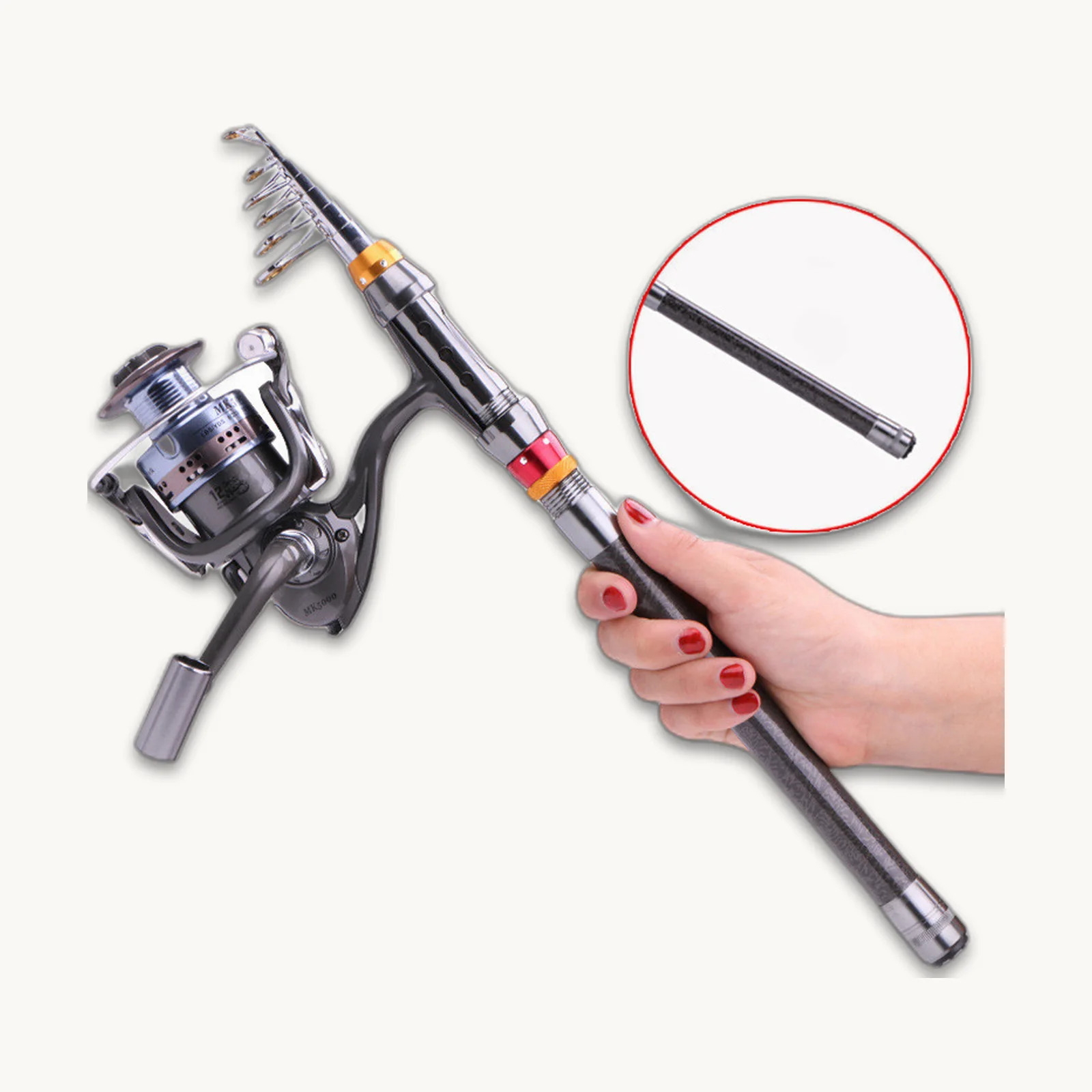
If the rod will be used mostly from a bank with a float rather than casting lures, the shorter options suit that better - see Fishing Rod Holders and Reels for what the reel's ratio and drag actually mean.
Line that forgives a beginner
Line is where a first outing goes wrong: it tangles, it catches on itself, and the knot fails at the moment a fish is on. The forgiving choice is a smooth, abrasion-resistant main line rather than the strongest one available - strength is useless if the knot will not hold.
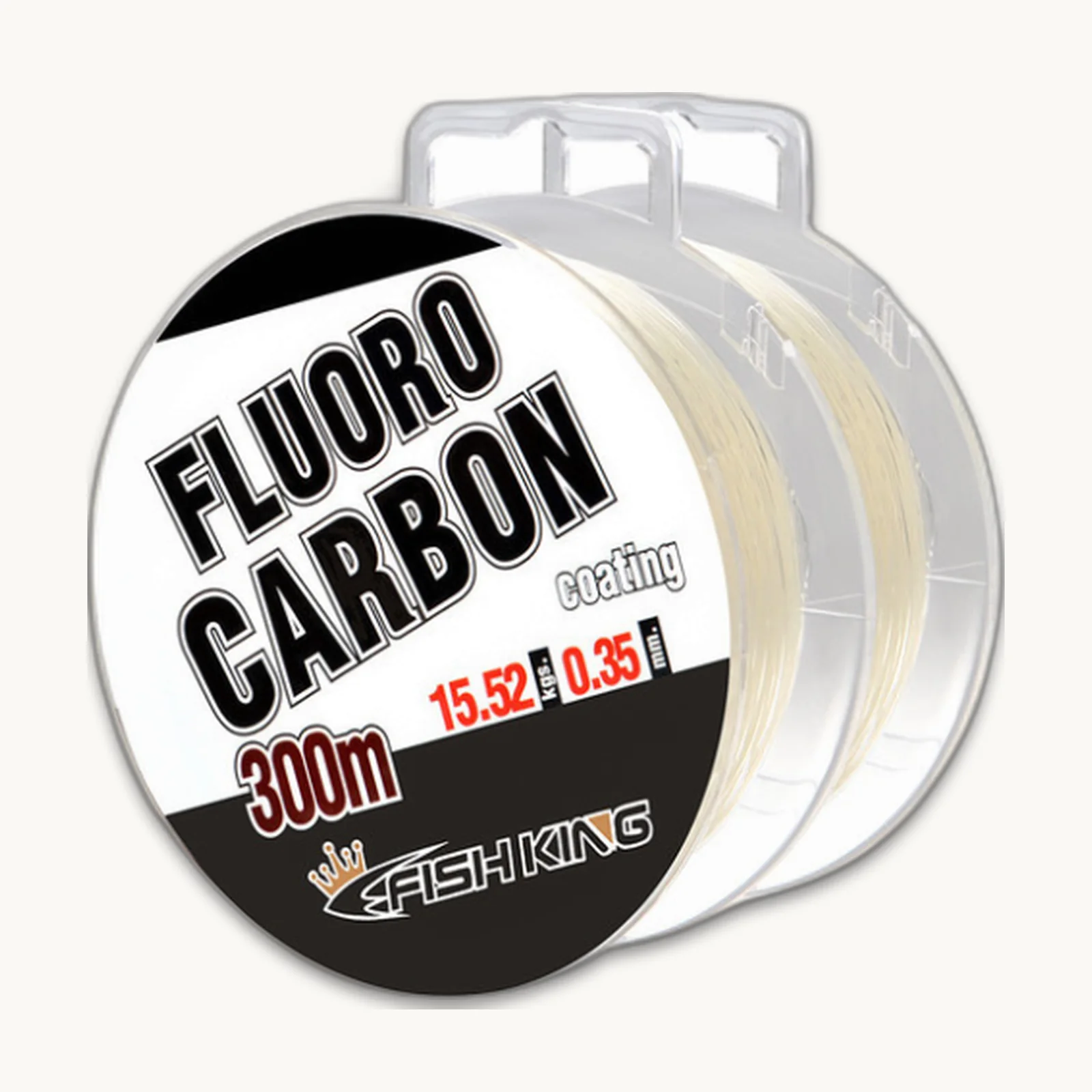
The Strong Abrasion-Resistant Main Line ($12.99) is the plain starting point. Braided line casts further and lasts longer but transmits every mistake back to the hand, which is the wrong feedback for someone still learning to feel a bite. The full comparison of braid against nylon against fluorocarbon is in Fishing Line: Braid, Nylon, Carbon and Fly.
A box that sorts itself
Tackle multiplies, and within a season the problem stops being what to take and becomes finding anything. A box with dividers that move is worth more than a larger box with fixed compartments, because a beginner's tackle is never the same shape as the shop's.
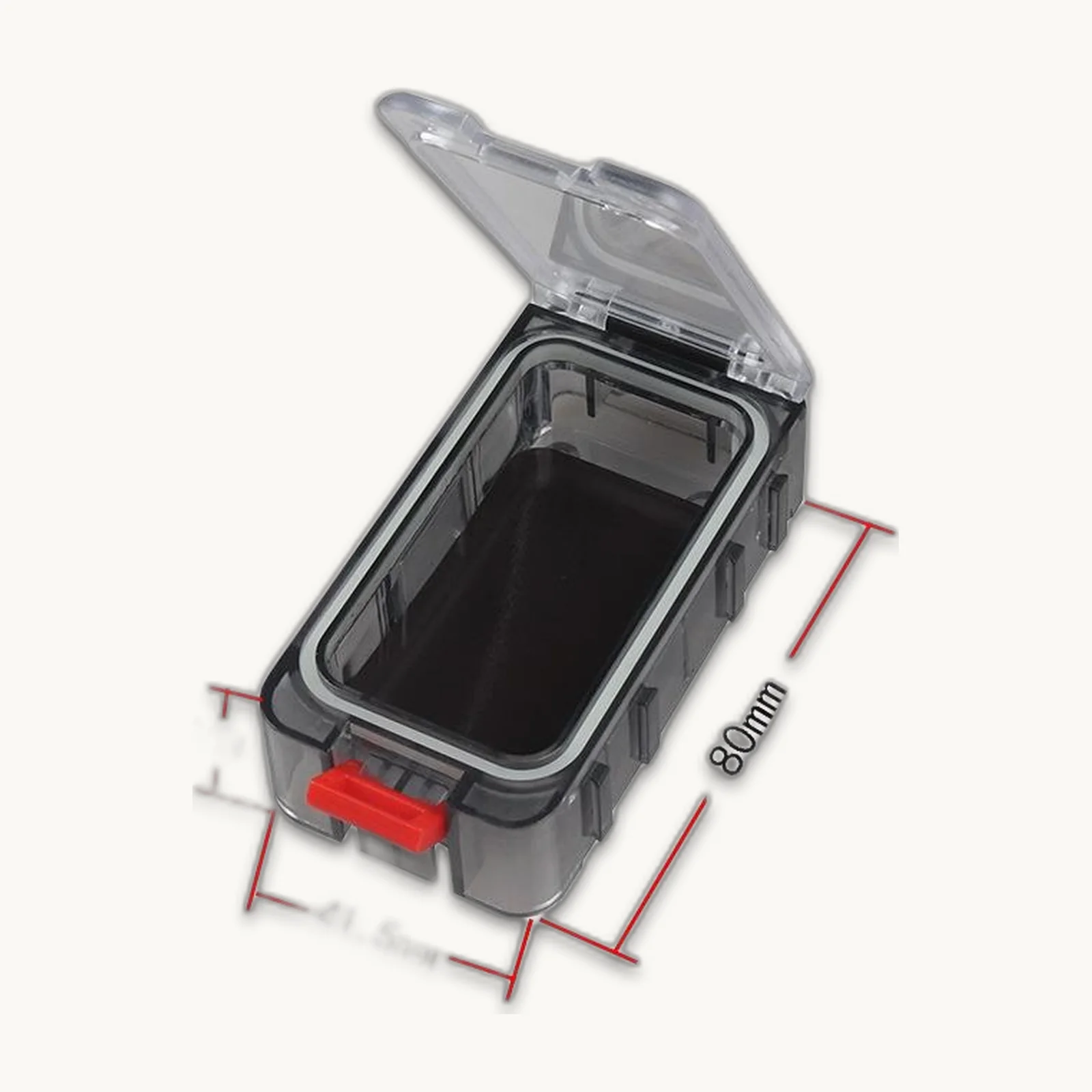
The Double-Layer Tackle Box with DIY Compartments ($11.99) is that box, and it covers the first two years. The carrying question, and when a shoulder bag starts to earn its place, is in Fishing Tackle Storage: Boxes, Bags, Grippers and Landing Nets.
The two nobody thinks of
- Something to hold the fish. A Foldable Lip Gripper ($13.51) holds a fish by the jaw without compressing it and keeps a hand away from treble hooks that are still attached. Doing this with bare hands is how a first trip ends early.
- A net. The Retractable Triangle Landing Net ($20.13) is the difference between landing a fish and watching it go. The hoop is the specification that matters, not the handle length.
After dark, or on a cold morning, hands fail before anything else does - the Anti-Slip Puncture-Resistant Fishing Gloves ($12.99) are the answer, and the grip is what earns them their place: tying a knot with wet gloves on is impossible unless they are textured.
What to leave out
A second rod, a bait boat, a fish finder and anything with the word "pro" on the box. The gap between a beginner and an experienced angler is hours on the water, not equipment - and the kit above is the cheapest way to buy those hours.